
The Timeline of a New Home Build: What to Expect
By Billie Baker | April 14, 2026
Building a new home is an exciting process that combines planning, design, construction, and detailed coordination. While the final result is a space tailored to a homeowner's needs and preferences, the path from an empty lot to a finished home involves multiple phases that must be completed in the correct order. Understanding the timeline helps homeowners stay organized, communicate effectively with their construction team, and maintain realistic expectations as work progresses.
A qualified home builder plays a central role throughout the entire process. From early design conversations to the final inspection, experienced professionals coordinate subcontractors, schedules, materials, and regulatory requirements to keep the project moving forward. By becoming familiar with the typical stages of construction, homeowners can better appreciate how each phase contributes to the finished structure and why careful planning is essential for long-term success.
Planning the Project
Every new construction project begins with careful planning. Before physical work can start, homeowners must establish a budget, secure financing, select a property, and determine the general design of the house. During this stage, meetings with architects, designers, and a home builder help transform ideas into practical plans. Floor layouts, exterior style, room sizes, and structural considerations are discussed so the design reflects both personal preferences and functional needs.
Design decisions also consider trends and market preferences. According to Realtor, Colonial/Traditional-America is the most prevalent architectural style in the US, accounting for nearly half of the for-sale market. While homeowners may choose any design that fits their vision, understanding popular styles can influence resale potential and neighborhood compatibility. Working closely with professionals during planning helps ensure the design balances aesthetics, structural requirements, and long-term value.
Permits and approvals are another critical component of planning. Local governments require construction plans to meet zoning regulations, safety standards, and environmental rules. The home builder typically assists with submitting documents, coordinating inspections, and obtaining permits so the project can move forward legally. Completing these administrative steps before breaking ground prevents delays later and establishes a clear framework for construction.
Preparing the Construction Site
Once plans and permits are finalized, work begins by preparing the land for construction. Site preparation involves clearing vegetation, removing debris, leveling the ground, and marking the exact footprint of the home according to the approved blueprints. This stage may also include surveying the property and installing temporary utilities for construction equipment and workers.
Proper grading and drainage planning are essential during site preparation. The slope of the land must direct water away from the structure to prevent flooding or foundation damage in the future. Contractors may install drainage systems, compact soil for stability, and evaluate underground conditions before construction begins. A knowledgeable home builder coordinates these steps carefully because a properly prepared site creates the foundation for every stage that follows.
Environmental considerations may also play a role in this phase. Regulations may require erosion control measures, tree preservation plans, or soil testing depending on the property location. Addressing these requirements early ensures compliance and prevents disruptions once building begins. When the site is fully prepared, construction crews can begin forming and pouring the foundation with confidence that the land will support the structure safely.
Building the Structural Framework
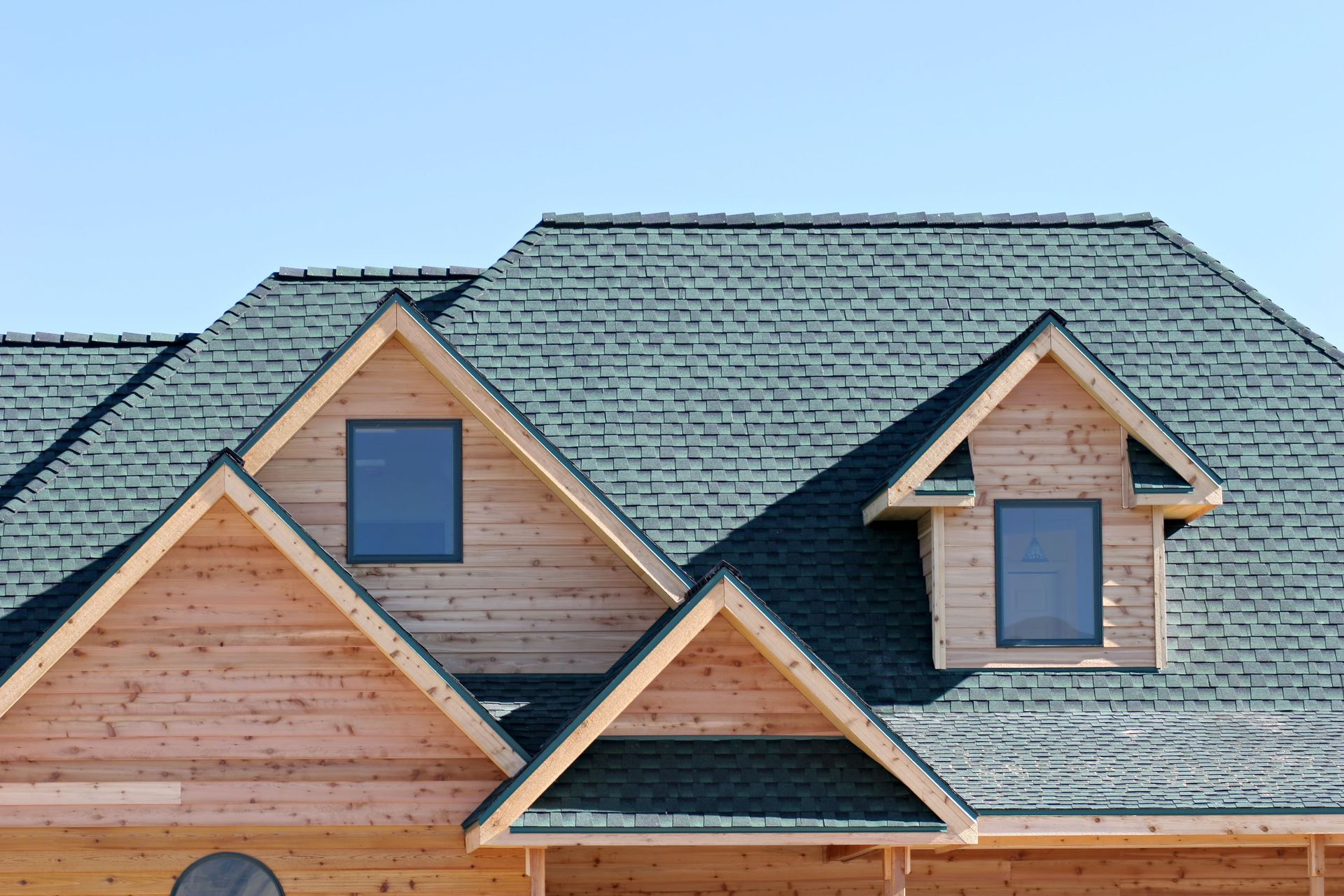
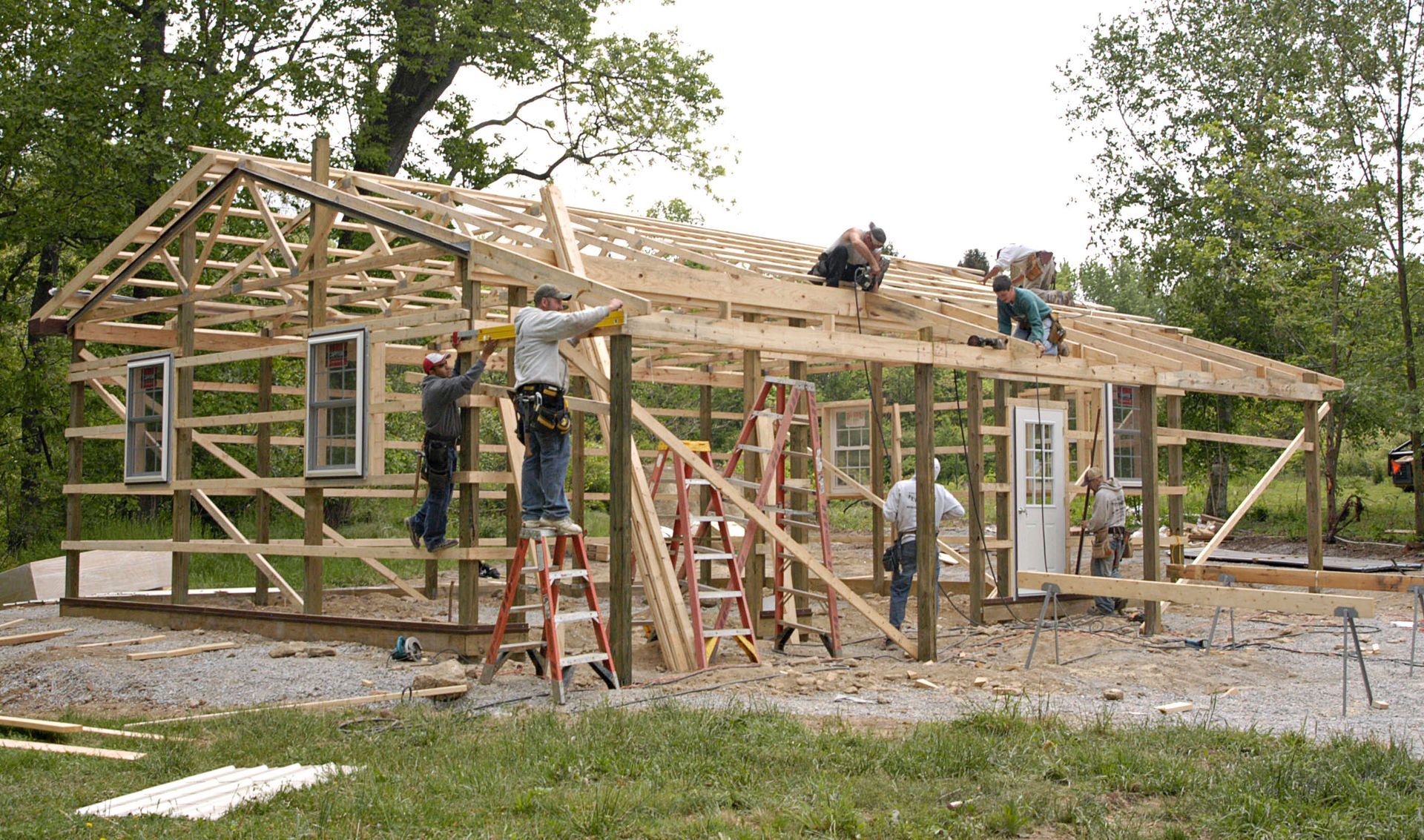
The structural phase transforms a set of plans into a visible building. Work typically begins with pouring the foundation, which may be a concrete slab, crawlspace, or basement, depending on climate, soil conditions, and homeowner preferences. Once the foundation cures and passes inspection, framing crews construct the skeleton of the home using lumber or steel. Walls, floor systems, and roof trusses gradually outline the full shape of the house.
Framing is one of the most exciting stages for homeowners because the design becomes easier to visualize. Rooms, hallways, and ceiling heights take form as carpenters follow the architectural plans precisely. The home builder supervises framing crews to ensure alignment, structural integrity, and compliance with building codes. Inspections are performed at key milestones to verify that load-bearing elements and support systems meet safety requirements.
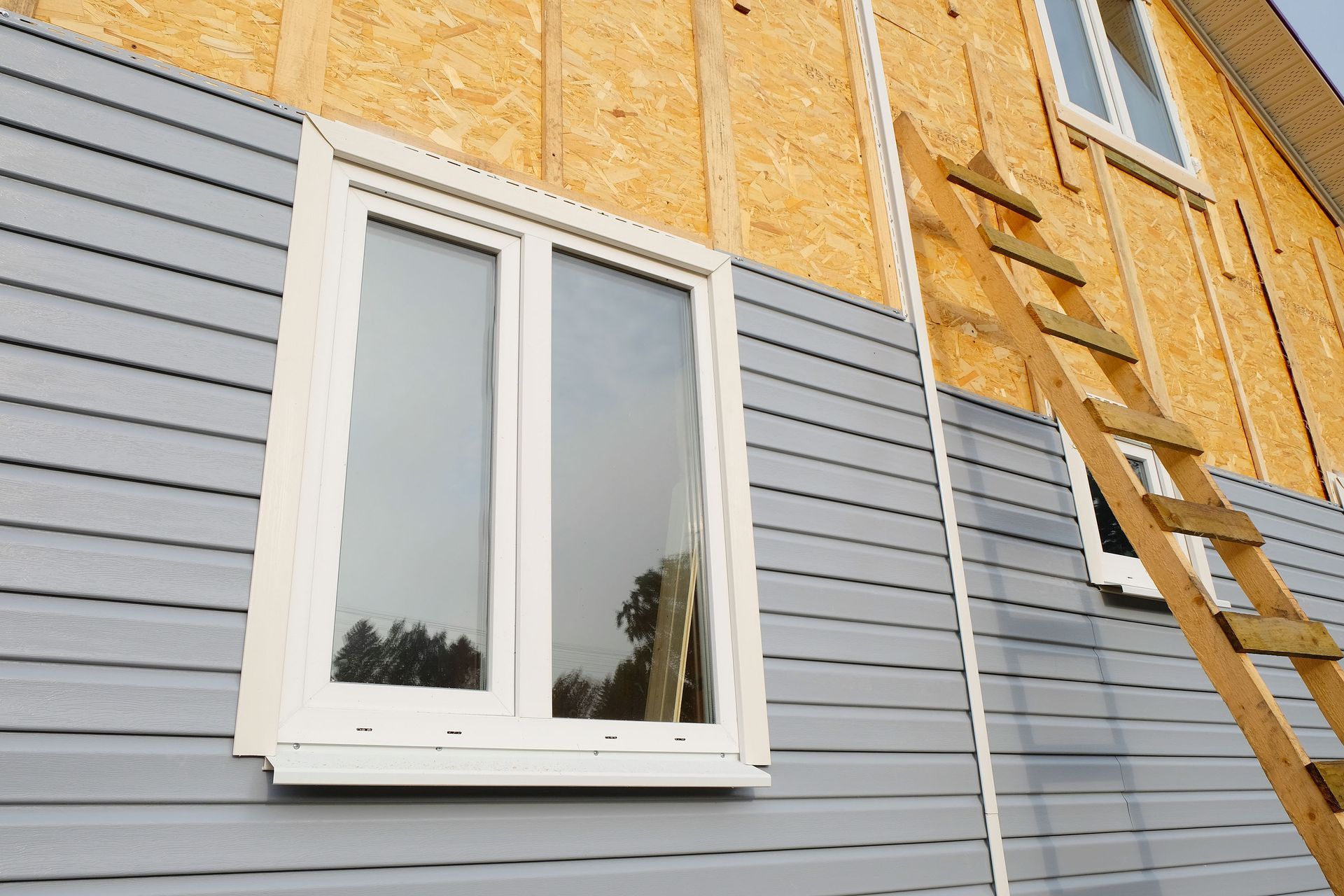
After framing is complete, crews begin enclosing the structure. Sheathing panels strengthen the walls and roof while providing a surface for exterior finishes. A protective weather barrier, often called house wrap, is installed to prevent moisture infiltration while allowing vapor to escape. Windows and exterior doors are then installed, effectively sealing the building envelope and protecting the interior from weather as work moves inside.
Installing Essential Systems
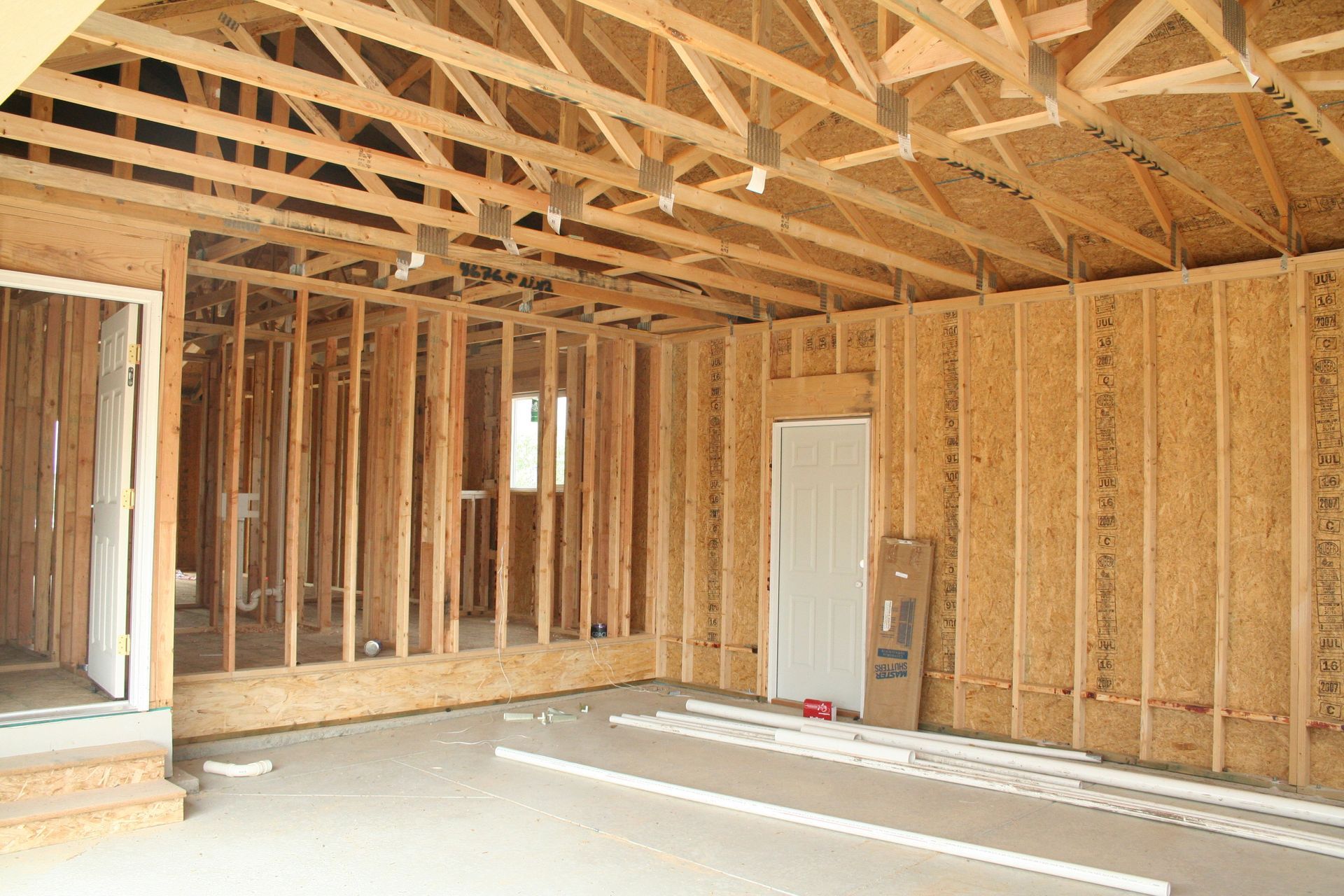
With the structure enclosed, construction shifts toward installing the systems that make the home functional. Electricians run wiring for lighting, outlets, and appliances, while plumbers install supply lines, drain pipes, and water connections throughout the home. HVAC professionals add heating, cooling, and ventilation components designed to maintain comfortable indoor temperatures year-round.
These installations are known as rough-ins because they occur before drywall or interior finishes are added. During this phase, inspectors review electrical wiring, plumbing layouts, and mechanical systems to confirm that they meet safety and building code standards. Any adjustments must be completed before walls are closed, making inspections especially important for ensuring long-term reliability.
Coordination among trades is essential at this stage. A professional home builder schedules electricians, plumbers, HVAC technicians, and other specialists in the correct order to prevent conflicts and delays. Once all systems are approved, insulation is installed to improve energy efficiency, followed by drywall that begins to shape the finished interior spaces.
Completing Interior and Exterior Finishes
The final stage of construction focuses on transforming the structure into a comfortable, livable home. Interior finishes include installing flooring, cabinetry, countertops, trim, lighting fixtures, and paint. Kitchens and bathrooms receive appliances, sinks, and plumbing fixtures, while carpenters complete interior doors and moldings. These finishing details significantly influence the home's appearance and overall style.
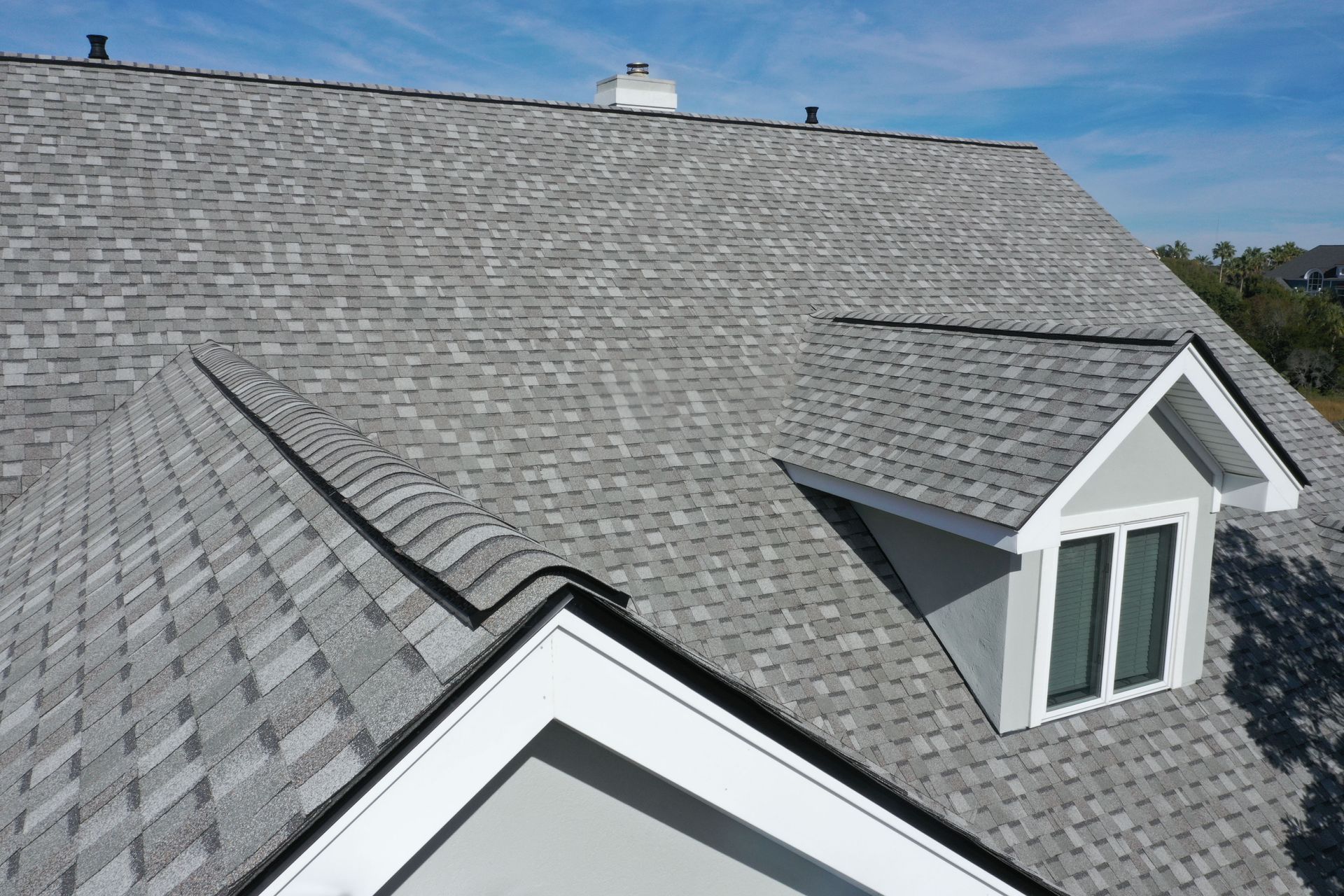
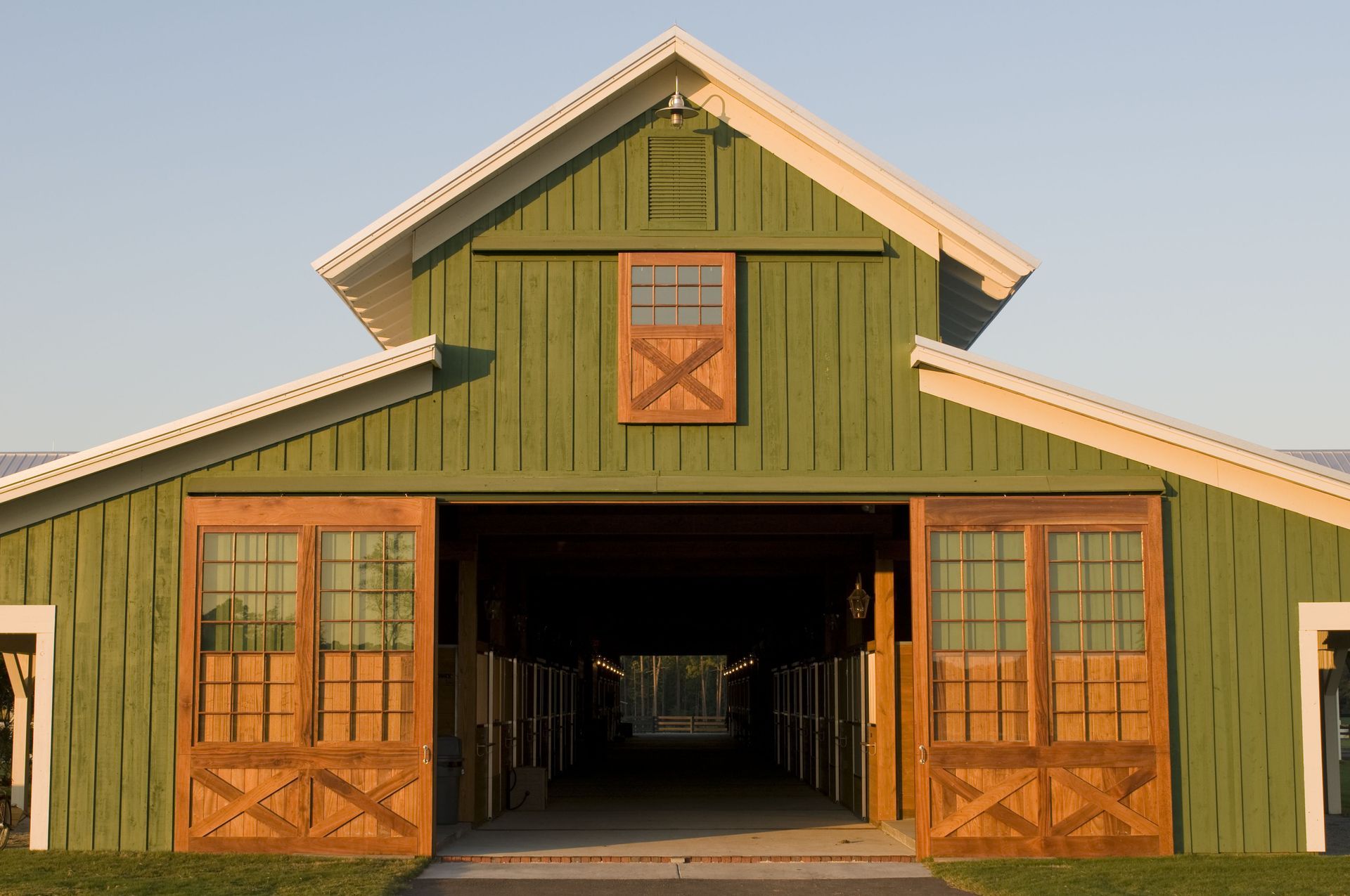
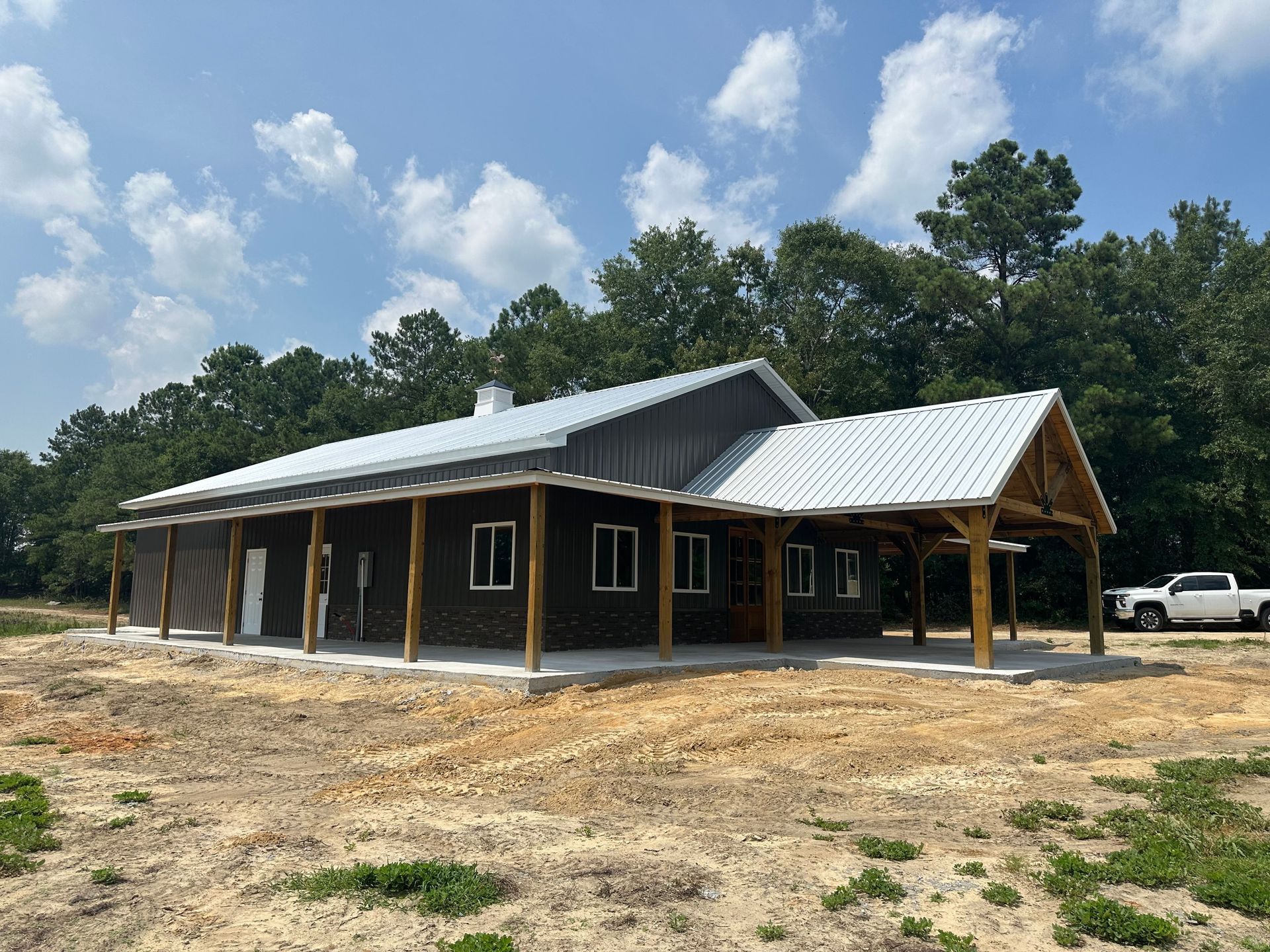
Exterior work progresses simultaneously. Siding, brick, stucco, or other finishes are applied to the outside walls, and roofing materials are installed to fully weatherproof the structure. Driveways, walkways, and landscaping may also be completed during this stage, enhancing curb appeal and improving property accessibility. Each finishing step requires careful coordination so materials and contractors arrive at the appropriate time.
Before the home is considered complete, a series of final inspections ensures that every system operates correctly and that construction meets local regulations. The home builder typically conducts a walkthrough with the homeowner to review features, explain maintenance considerations, and identify any final adjustments that may be needed. Addressing these details ensures the property is ready for occupancy and meets the expectations established during planning.
Building a home is a multi-stage process that requires organization, patience, and collaboration among many skilled professionals. From early planning and site preparation to framing, system installation, and finishing details, every phase contributes to the strength, comfort, and longevity of the final structure. Working with an experienced home builder helps streamline each step while maintaining quality standards and clear communication throughout the project.
Although construction timelines vary depending on location, weather, and project complexity, understanding the typical phases makes the experience far more manageable. Homeowners who stay informed and engaged throughout the process often find the journey rewarding as their vision gradually becomes a completed living space designed specifically for their needs. For more information about the services that we offer, reach out to our incredible team at J&W Construction, LLC today!



Share On: